Let the Tool Handle the Part You Dread
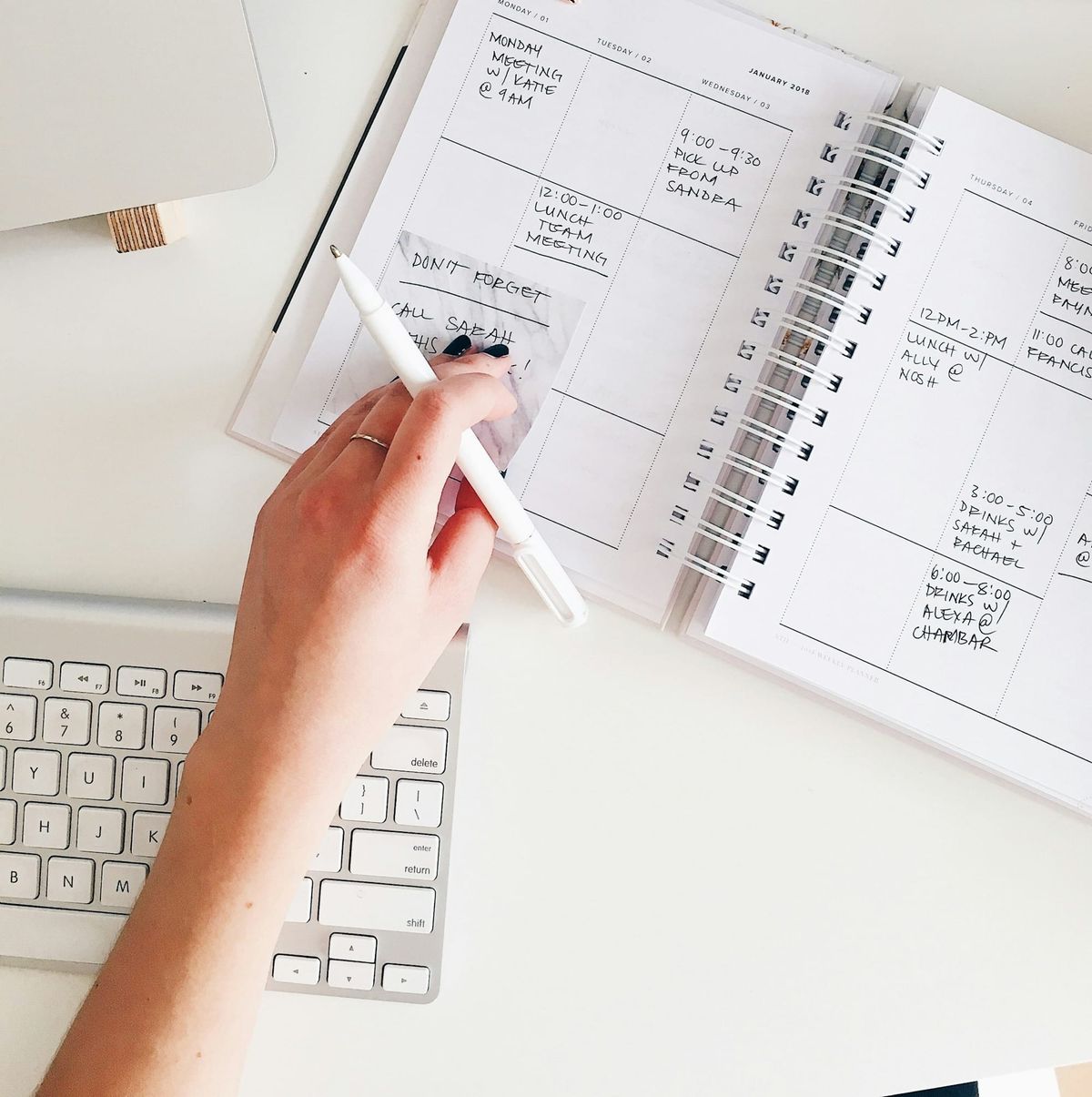
A little delegation can protect the part of the task you actually care about.
You have promised to bring a dish to dinner. You like cooking. You do not like converting a recipe for twelve people, making a grocery list from three browser tabs, and discovering at the store that one recipe assumes you own a spice that only exists in very confident kitchens.
The whole plan can start to feel less like cooking and more like an unpaid role in logistics.
That is a useful place for a tool. Give it the recipe, the number of guests, and the ingredients you already have. Ask for a consolidated list and a sequence that tells you what can be made ahead. Let it do the multiplication, the sorting, and the part where every onion becomes a unit of project management.
You still choose the dish. You decide whether your cousin would enjoy the heat. You taste the sauce. You make the call when the recipe says to use a food processor and you own neither one nor a strong opinion about acquiring one.
That division of labor matters. People sometimes talk as if assistance cheapens a task. Yet plenty of worthwhile activities include help at their edges. A map can get you to a trailhead without walking the trail for you. A dishwasher can handle the aftermath of a meal without making the meal less yours.
The question is where the unwanted friction sits.
If the part you dread is mechanical, repetitive, or administrative, handing it to a tool may give you more attention for the part that carries the point. That could mean asking AI to turn meeting notes into an outline before you decide what the team should do. It could mean having it group research links before you read the sources that matter. It could mean translating a rough packing list into categories before a trip, while you keep the decisions about what will make the trip enjoyable.
There is a tradeoff. A tool can flatten the work if you hand over the parts that give it character, or it can make a confident mistake at the boundary between routine and judgment. A grocery list may be wrong about how much parsley your particular salad needs. An outline may hide the interesting idea in the notes. Review still belongs to the person who knows the occasion.
So start small. Name the task you have been avoiding, then separate its pieces into two columns: what must be accurate, and what you want to experience. Ask the tool to help with one item from the first column. Keep the second in your hands.
You may find that the task itself was never the problem. It was the small tollbooths on the way to doing it.
As explored in An Easier Life. But Easier to Enjoy?, convenience is most useful when it makes room for something you genuinely want to do.
What part of a task would you gladly hand off if it gave you more time for the part you enjoy?
A. Karacay is the author of The Focused Human. If you're looking for a weekly practice to help you direct your attention more deliberately, the Weekly Attention Reset Protocol is designed for exactly this. It's free, simple, and built to help you reclaim coherence in a world designed to fragment it.
Stay curious!


