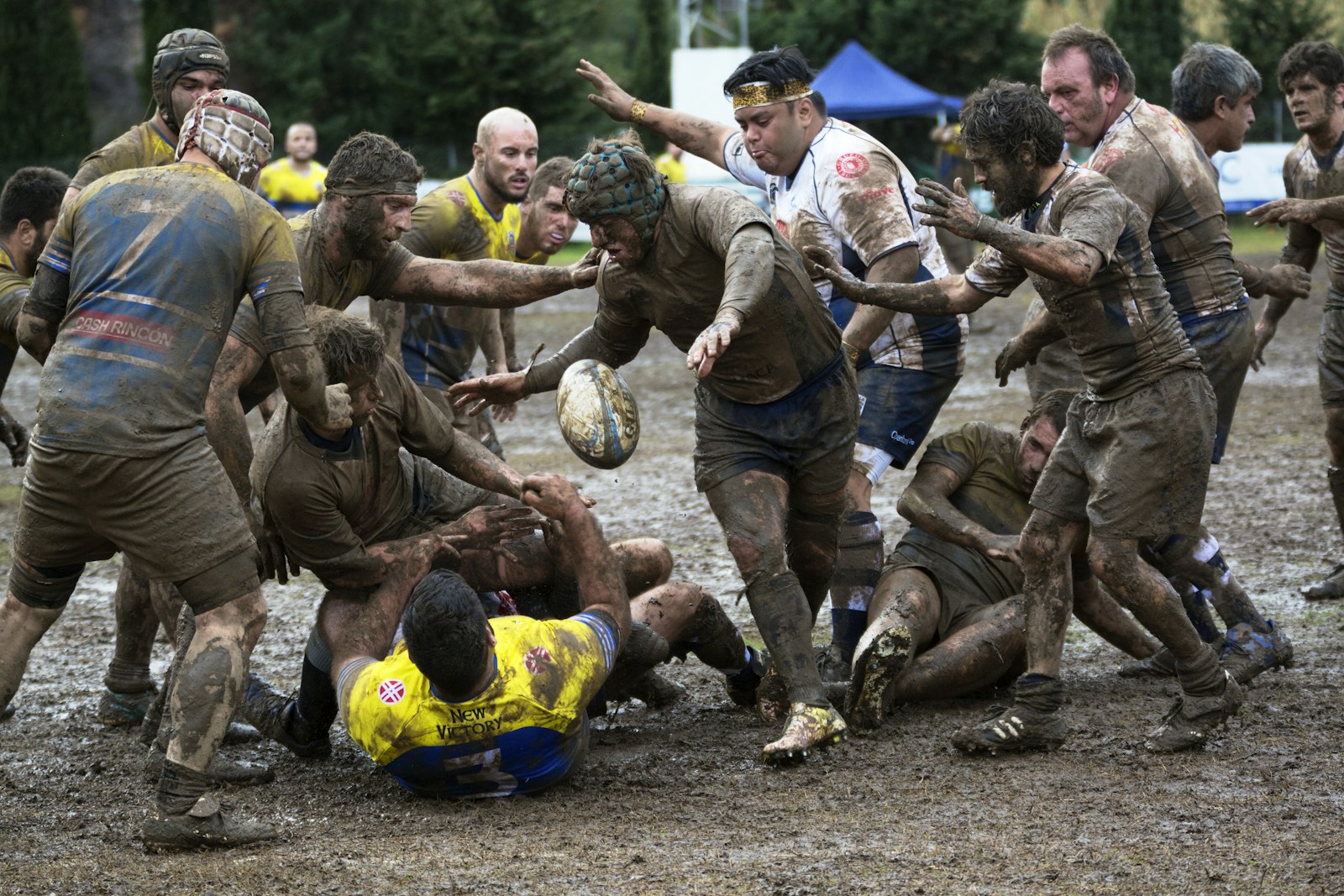
Why Is Play Important for Adults?
Updated: 6 days ago

Part 4 of 7 · Seven Questions About Everyday Joy
Adults are often allowed recreation only when it produces something: fitness, networking, mastery, a finished object or a better version of the self. The moment an activity becomes pointless, it can start to feel difficult to justify.
Play begins where that justification loosens. It is the freedom to experiment, exaggerate, improvise and enjoy an activity whose value is partly contained in doing it.
Play changes the rules of attention
Play can be physical, social, imaginative or solitary. It might look like a ridiculous game, dancing badly in the kitchen, inventing voices while reading, racing to a lamppost, making up a challenge or trying a material with no plan for the result. The form matters less than the quality: voluntary involvement, room for surprise and permission not to be efficient.
A 2024 integrative review of adult play interventions examined 20 psychological interventions and found preliminary evidence that play may contribute to positive mental-health change. The studies and intervention formats were varied, and the evidence base was limited, so the review does not justify a universal prescription. It does make adult play a serious subject of inquiry rather than a childish leftover.
The Focused Human lens
In play, attention becomes flexible. It follows changing cues, responds to other people and tolerates outcomes that were not planned. That is different from passive entertainment, where the experience is largely delivered to you. Play asks for participation.
It is also different from turning a hobby into another achievement system. A hobby is allowed to stay useless; play goes one step further by letting the activity become strange, funny or temporary. You do not have to improve at it for it to count.
This matters because a life organized only around competence can become narrow. Notice what kind of play makes attention feel lively, flexible or connected. That response is useful data about the conditions in which you participate freely—without needing to turn the activity into another goal.
Play is not the same as chasing constant novelty. Repetition can be playful when you are still responding rather than merely complying. A familiar card game changes because the people, jokes and decisions change. The same route becomes a game when you follow a new constraint. What matters is not endless stimulation but a little uncertainty you are willing to meet.
Social play can also change how people relate. Roles soften, attention becomes reciprocal and a shared mistake can become part of the fun. Solitary play offers a different freedom: no audience, no score and no need to explain why the activity was worth your time.
One thing to try: add an unnecessary rule
Choose one ordinary activity today and give it a harmless rule whose only purpose is to make the experience more interesting.
On a walk, look for five objects in the same improbable color.
While cooking, let someone choose a song for each step.
With a friend, tell the story of your day as if it were a nature documentary.
If you are alone, make a tiny object from whatever is already on the table.
Notice whether the rule creates curiosity, laughter or a little more contact with the moment. If it feels forced, abandon it. Play depends on freedom, including the freedom to stop.
The takeaway
Adult play matters because it lets attention become experimental without needing a useful result. A few playful minutes can widen a day that has become too tightly organized around performance.
Reader reflection
Where in your life do you still have permission to be unskilled, surprised or slightly ridiculous?
Find your starting point
The Attention Quiz helps you see what is shaping your attention now, so you can choose a next step that fits your actual pattern.
Stay curious, A. Karacay
Unsure where to begin? The two-minute Attention Quiz shows you a first step →


