How Do You Enjoy the Little Things in Life?
Updated: 6 days ago

Part 5 of 7 · Seven Questions About Everyday Joy
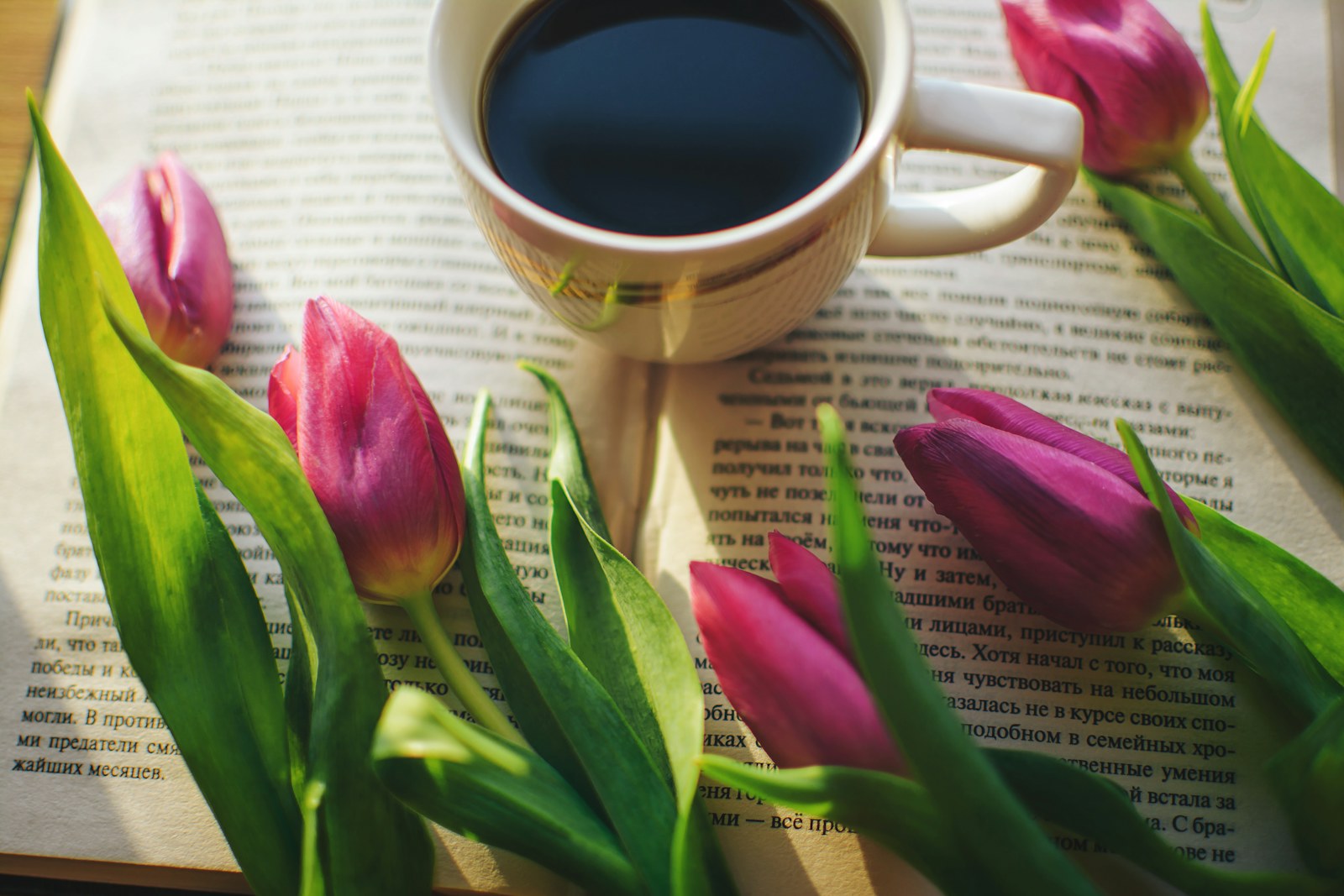
The coffee is warm, the light is good, or a familiar song begins at exactly the right moment. You notice it—and then you reach for your phone, start the next task or think about how quickly the moment will end.
Little things do not always need to become bigger. They often need enough attention to register before the mind moves on.
Savoring is more than noticing
Noticing tells you that something pleasant is happening. Savoring means staying with some part of the experience long enough to receive it: the warmth of the mug, the shape of the shadow, the relief in your shoulders, the exact sound that made you smile.
A 2026 meta-analysis of savoring interventions combined 20 randomized controlled trials with 4,805 participants and reported a moderate pooled effect across 45 well-being outcomes. The interventions and outcomes varied, so the average does not promise that a brief savoring practice will make everyone happier. It does suggest that deliberately attending to positive experience is more than sentimental advice.
The Focused Human lens
Attention is selective. When it is trained by urgency, it becomes quick to detect what is unfinished, risky or demanding. That sensitivity can be useful, but it may leave ordinary pleasure under-registered. Savoring lets a positive signal remain long enough to become information: this texture, pace, place or interaction helped me feel present.
Savoring does not mean denying grief, stress or injustice. It allows a good detail to coexist with them without asking it to cancel them. Nor does it require you to photograph, post or explain the moment. Sometimes documentation replaces the experience with a performance of having had it.
Your preferences matter here. The pleasure of having your own taste is that you can respond to what actually appeals to you, not to the small pleasures you think a well-composed life should contain.
Part of the difficulty is that a small good moment rarely announces itself. It competes with plans, alerts and the mind’s habit of rehearsing what comes next. You may need to stop the automatic transition for a few seconds—not because the moment is profound, but because it is already here.
The practice also becomes easier when it is not restricted to conventionally beautiful scenes. The satisfying click of a finished task, cool air after a crowded room or the first comfortable position in bed can all count. Your attention, not an outside aesthetic, decides what is worth receiving.
One thing to try: stay for twenty seconds
When one small pleasant moment appears today, stay with a single detail for about twenty seconds. You do not need a timer; the point is a brief pause before moving on.
Choose one sense: temperature, color, sound, texture, scent or taste.
Describe the detail silently without judging whether it is special enough.
Notice one change in your body or attention, even if the change is very small.
Let the moment end without trying to preserve or repeat it.
If twenty seconds feels artificial, use one full breath. Savoring should deepen contact, not create another standard you can fail.
The takeaway
Enjoying the little things is not a personality trait you either possess or lack. It is often the simple act of allowing one pleasant detail to finish arriving before attention leaves.
Reader reflection
Which ordinary pleasure in your day is familiar enough that you rarely let yourself fully receive it?
Find your starting point
The Attention Quiz helps you see what is shaping your attention now, so you can choose a next step that fits your actual pattern.
Stay curious, A. Karacay
Unsure where to begin? The two-minute Attention Quiz shows you a first step →


