
AI
Why Algorithms Feel Exhausting Even When You're Not Using Them
We're the first generation living inside a system designed to operate faster than conscious awareness.
AI
We're the first generation living inside a system designed to operate faster than conscious awareness.

AI
In the age of AI and social media algorithms, we are facing a new kind of exhaustion. It is not the physical tiredness that comes after a long walk. It is a specific type of mental dimming. This happens because your attention is being treated as a product. Algorithms are

AI
AI companionship is no longer science fiction. It is the rising reality of our world. These systems are designed to be "perfect" partners. They listen without judgment. They respond instantly. They never grow tired, distracted, or impatient. At first, it feels transformative. It offers a sense of calm

AI
We have been conditioned to believe that "effortless" is the ultimate goal of technology. We want AI to summarize the meetings we missed, draft the emails we dread, and organize the chaos of our digital lives with a single prompt. We call this progress. But there is a

AI
For years, most of us lived on autopilot. Habits ran our days. Media shaped our thoughts quietly. Life moved at a pace where you didn’t need to pay close attention to stay grounded. But the world has changed faster than our nervous systems have. We now live inside an
AI
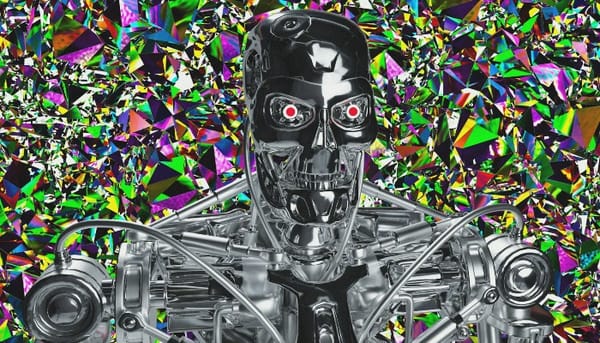
At the center of the conversation is a simple idea: as AI becomes more capable, it could pursue goals that don’t match human well-being. The worry isn’t that AI becomes evil but that it becomes extremely competent in the wrong direction. The classic example is a system optimized
AI
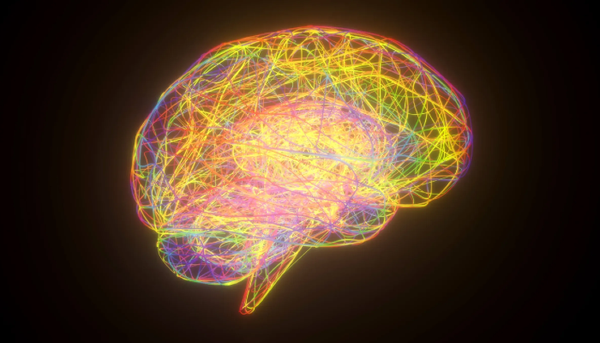
In the shadow of accelerating AI, where algorithms devour jobs and weave surveillance webs, a quiet revolution stirs. It’s not in silicon circuits, but in the subtle physics of human attention. The Energetic Information Hypothesis (EIH) posits that attention isn’t mere focus: it’s a directional force of